Contemporary dentures care: Oral Health and Prosthetic Life
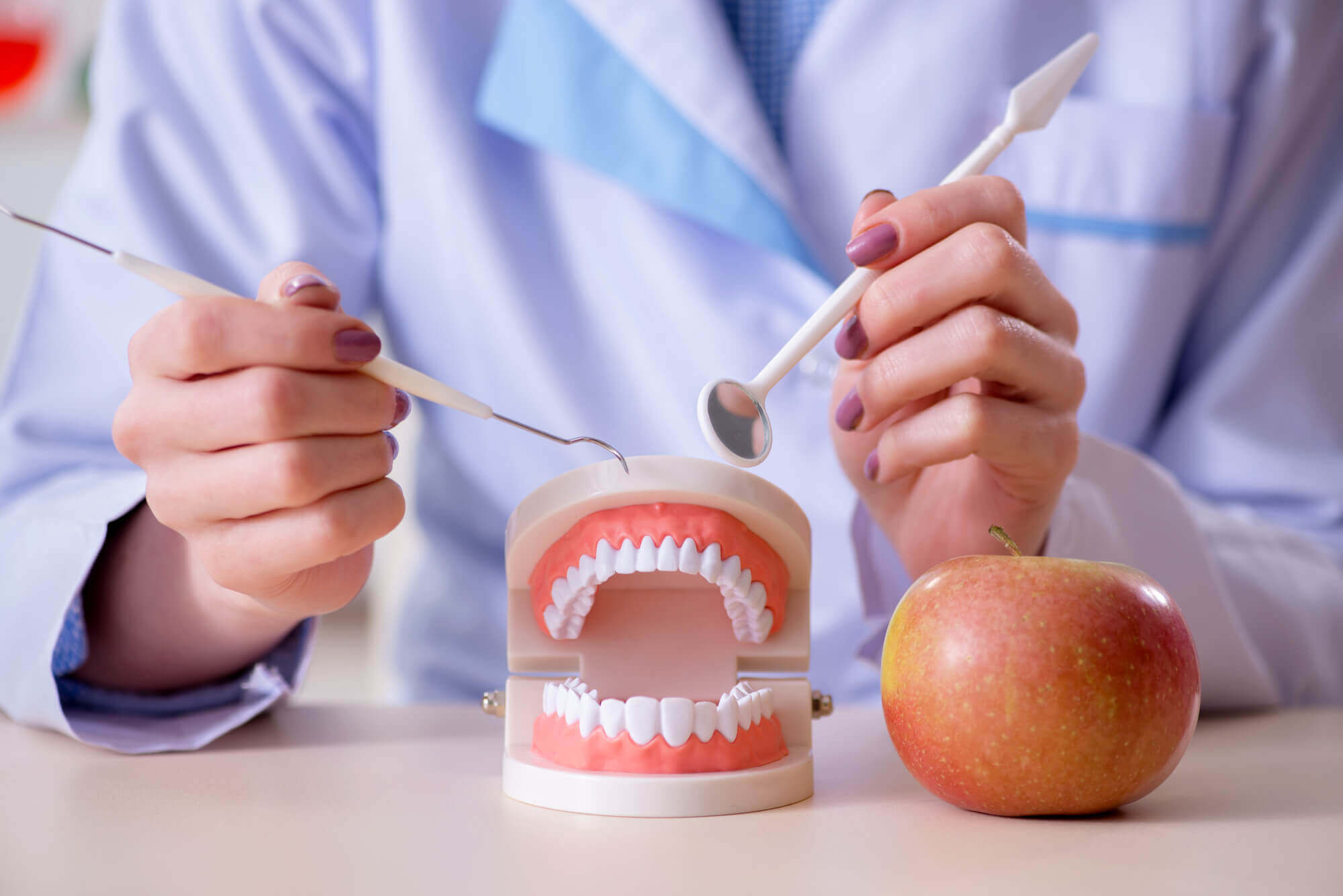
Dentures will restore the function of being able to chew, speak properly, and have a positive smile. However, they require proper maintenance as a way of ensuring their longevity in addition tos their general well-being with regards to the health of the mouth. Denture care today involves the combination of daily hygiene, intelligent lifestyle habits, and professional assistance of dentists to make sure that the prosthetics are comfortable, functional, and last long. Learning how to clean, store, and to protect the dentures can prevent irritations, infections, nd premature wear.
Modern Dentures and the Understanding of the Same
Modern-day dentures are made with high-tech materials that make them more comfortable, durable, and natural. In comparison to older models, new dentures fit much better and can imitate the shape and colour of natural teeth very closely.
Dentures are broadly divided into two types, namely full dentures, which are used to replace a full arch of teeth,th and partial dentures, whiare is used to fill blanks or areas where the natural teeth have not been extracted. Both have to be taken care of regularly as they are in contact with the delicate gum tissue and oral environment daily.
Although dentures are artificial in nature, the mouth will still generate bacteria and plaque. These microorganisms may build up on the denture surface without cleaning, which may lead to bad breath, irritation of the gums,s or oral infections like denture stomatitis.
Washing of Dentures daily
One of the most significant measures in denture care is a regular cleaning system. The dentures are to be washed on a daily basis to get the food particles, plaque, and bacteria clear.
Begin by rinsing dentures every time after eating to get rid of loose debris. Clean with a soft denture brush or toothbrush and a denture-specific cleanser as opposed to regular toothpaste, which is too abrasive and scratches the surface. Bacteria can more easily accumulate in scratches.
When cleaning the dentures, pay attention to all of the surfaces, including the one that is in contact with the gums. One must also clean the tongue, gums, and roof of the mouth smoothly with a soft toothbrush or a damp cloth. The practice assists in the stimulation of circulation and the elimination of bacteria in the oral tissues.
Daily washing allows dentures to be seen as fresh and eliminates the need for the oral side to be irritated.
Safe Storage and Overnight Services
The dentures are not supposed to stay in the mouth all the time. The majority of the dental professionals advise the removal of them at night to enable the gums and oral tissues to relax.
Dentures are supposed to be stored in clean water or denture soaking solution when not in use, since they will dry up and lose their shape. Always make sure dentures are not placed in hot water since extreme heat may cause the material to be distorted or even distort the fit.
Rinse dentures before reinserting them in the morning to clear away all traces of cleaning solution. Denture structure can also be maintained in a proper state, and oral tissues can be healthier with the help of proper denture storage during the night.
Adjusting to New Dentures
The process of getting used to a new pair of dentures can be time-consuming. There may also be mild soreness, excessive saliva, trouble speaking, and chewing.
Speaking loudly and beginning with soft food will enable one to accelerate the period of adjustment. In the long run, muscles in the mouth get adjusted to the position of dentures.
Dental advice also facilitates the process of transition in many patients. The process of getting used to wearing dentures can be greatly alleviated by learning how to relax your mouth to accept the dentures, which boosts confidence when you are in the learning phase of wearing the dentures.
Follow-up appointments are also made on a regular basis to guarantee the correct fit of dentures because gums and bone structures are natural to change.
Caring for Dentures
Even though dentures are strong, they are able to break if they are mishandled. They should always be washed on a soft surface or in a sink full of water to minimize the chances of them being damaged should they be accidentally dropped.
Do not use any harsh chemicals, bleach, or abrasive cleaners. These materials may compromise the strength of denture materials and change their colour.
One should also not chew very difficult foods or use dentures to break packets because too much pressure can crack or fractur theme. These precautions allow maintenance of denture structure and functionality over a period of years.
Caring for Oral Health with Dentures
Oral hygiene is a necessity even in the absence of natural teeth. Regular cleaning of the gums, tongue,e and the area around the tongue is necessary to eliminate infections and inflammations.
A dental professional should also check the dentures periodically. The dentures can become loose after some time and can even become painful or hard to chew because of the changes in the gum and bone. To ensure a safe fit, adjustments, relining, or replacement might be required.
Good nutrition is also a way of maintaining oral health. A balanced diet helps in maintaining the health of the gums and promotes good health. Vitamin D, antioxidants, and high-calcium foods are used to keep the oral tissues healthy and enable the oral tissues to be comfortable over the long time.
An assistance diet method involves eating food items that enhance teeth and gums, including leafy greens, dairy products, nuts, and chewy vegetables. These foods also help in offering vital nutrients that promote the health of the mouth,h even in people with dentures.
Identifying the Time that Dentures should be replaced
Dentures are not permanent but normally require replacement after every five to ten years. The modification in the jawbone and the gum composition leads to a gradual change in the fit of the denture.
Symptoms that dentures need to be replaced include. constant pain, slipping of dentures, noticeable wear, or the inability to chew previously eaten food easily.
When these warning signs are ignored, it may result in irritation, sores, and decreased ability to chew. Regular check-ups allow one to see when their dentures or teeth require adjustments.
With appropriate hygiene, special handling, good nutrition, and competent dental care, denture wearers can sustain their health as well as the life of the prostitutes. The regular maintenance ensures that dentures are comfortable, functional, and attractive in outlook, as well as sustaining the usual quality of life.