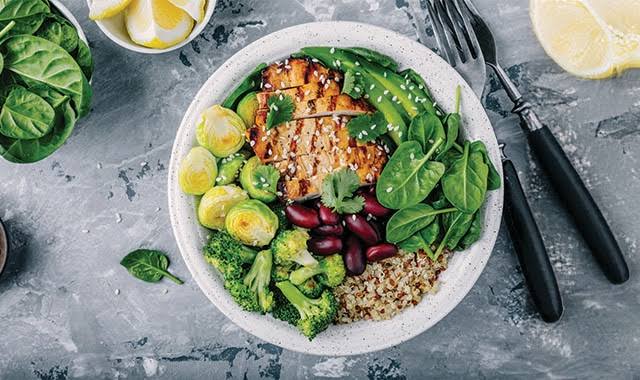
The 5 Healthiest Dietary Practices to promote your immunity and health

Eating plays a big part in the health and the operation of your immune system. Healthy eating habits can make you feel good on a daily basis, stay strong and avoid illnesses very often. It has nothing to do with keeping up with the fashionable diets or ingredients. It has to do with making smart, every day food decisions that help your body to be natural defences.
The following are some of the easy habits that could enhance your immunity. These food habits can be used to complement Indian meals and do not need much planning. Let’s see what to include on your plate every day.
Consume a Variety of Nutritious Foods every day
Foods containing various categories of nutrients contribute towards proper functioning of your immune system. Prepare your own food using simple, home cooked dishes such as lentils, vegetables and bread. Include fruits in season such as oranges, guavas or bananas in your diet to get an extra supply of vitamins.
Whole grains are a source of fibre and inhibit the rapid absorption of energy. Vegetables and fruits contain vitamins like C, A and E which help in the repair of cells and in the immune system. Green leafy vegetables and lentils contain minerals such as zinc and iron that are crucial in combating infections. Junk food and processed snacks do not provide much in terms of nutrients, thus it is better to have them as a rare treat.
Hydrate with Water and Herbal Drinks
Water aids in flushing waste, aids digestion, and maintains a smooth running of your body systems. With proper hydration, your immune system is more effective, particularly against viruses or bacteria.
Goal: 6-8 glasses of water/day. Packaged juices or soft drinks should be avoided because they normally have excess sugar that your body does not require. Although a beverage may be labeled as being healthy, it is best to look at the ingredients.
Include Probiotics and Fermented Foods
The health of the gut is directly associated with your immune system. Having a healthy digestive system facilitates the uptake of nutrients and enables your body to react to sickness. Probiotics are where we find their place.
Add fermented food products to your diet one of the easiest methods of improving gut health.
These foods do not necessarily have to be eaten on a daily basis. Nonetheless, adding them to your daily routine 3-4 times a week may ultimately boost your digestion and, consequently, your immune system.
Eat a Balanced Diet
Timely eating is not merely a habit but your body works better when meals are taken regularly. Missing breakfast or having it too late in the night disrupts your body and may cause you to eat a lot or have poor digestion.
It is also important to mindful eat. You can end up consuming more food than you require because you eat too fast or at a time you are distracted. Eating slowly will also make you aware of when you are full and enhance your digestive system and energy levels.
Limit Sugar, Salt, and Saturated Fats
Eating a lot of sugar may weaken your immunity. Additional salt strains your heart and kidneys. Inflammation in the body can be caused by saturated fats, particularly the ones present in fried or processed foods.
It is difficult and sometimes not necessary to cut them out completely. However, it is possible to decrease the frequency and quantity of consumption. Replace deep-frying with air-frying or steaming. Minor changes could cause long-term changes in your immune system without the need to change your dietary patterns.
Top Misconceptions to shun when adhering to Healthy Eating
Missing meals does not aid in digestion and weight loss. It generally leads to fatigue, irritability and lastly to overeating. Likewise, overdependence on supplements, and overlooking whole foods is a vice as well. The supplements can fill in the deficiency but there is no natural advantage of fibre or antioxidants like in whole foods.
Finally, one common misconception is that, when a food is considered to be healthy, one can eat an unlimited amount of that food, such as nuts or fruit; there is a reason the amount of food one eats is important. Balance is the key in every step of this process.
Conclusion
Eating well: Consuming nutritious and diverse foods, keeping hydrated, taking probiotics, having regular food intakes, and lowering on sugar, salt, and unhealthy fats would go a long way in boosting your immune system and general well-being. You don’t need to change your entire lifestyle overnight. Begin with one habit, develop it into a habit and then proceed to the next.
We are of the opinion that the basis of good immunity is good everyday decisions and this is more so when it comes to what you eat. Our doctors help you make informed nutritional decisions by assessing your health needs, taking into account factors such as your medical history, lifestyle, and existing conditions. On this, they develop individualised diets based on what you want to achieve, be it improving your immunity or losing weight or keeping your health conditions such as diabetes at bay.
Frequently Asked Questions
1. Which are the most appropriate healthy eating habits to increase immunity?
Emphasize on nutritious meals and meals that contain a mixture of vegetables, fruits, whole grains and sources of proteins. Drink water, eat at the right time and reduce the consumption of processed or fried food.
2. What rate of change in my diet can enhance my well-being?
It can take several weeks before results are felt, so in the case of something that affects the immunity, digestion, or a chronic health problem, you may not feel any better after a few days.
3. Can supplements be a good alternative to healthy food practices?
Supplements are beneficial when you are deficient. They are not supposed to substitute natural foods, which are more advantageous.
4. Do regular dietary practices prevent diseases?
They do not promise to keep you illness-free, but they will decrease your risk of getting sick and make it easier to heal.
5. What do I need to do to be consistent with these habits?
Take little, consistent steps and do not attempt to do all at once. Make one habit and continue with it and develop every week.