High Protein Foods: The Best Foods to Have a High Protein Content In Your Diet
Including protein-rich foods in your diet is vital for maintaining overall health and well-being. But how much protein do you need, and what are the best sources of this essential macronutrient?
Why do we need Protein?
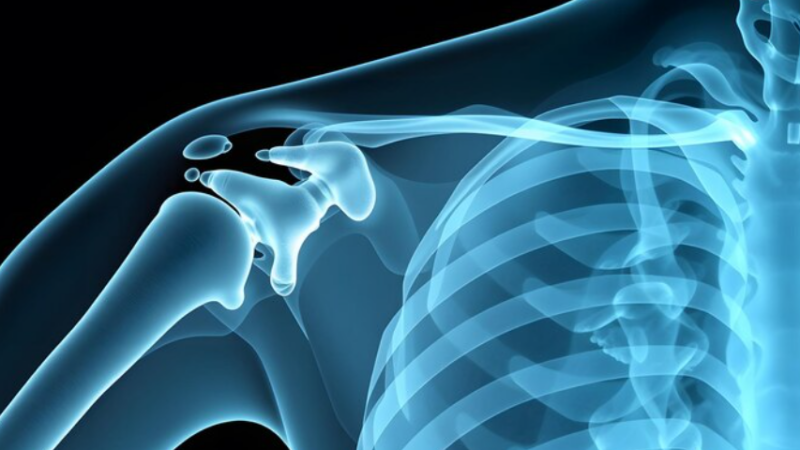
In the body, proteins are components of the body’s structure. They are a component of bones, cartilage, muscle, blood, skin, enzymes, hormones and vitamins. They are required for growth, development, repair, building new cells and tissues like muscle, and are involved in body processes like blood clotting, fluid balance, and body defence.
Amino acids are used to form proteins. There are some amino acids that our bodies can make on their own. These are known as essential amino acids. However, there are nine amino acids that we have to obtain from food that contains them. These are called essential amino acids, and are needed for proper functioning of the body.
Which Foods have a Good Amount of Protein?
Protein can be obtained from both plants and animals. Meat, dairy, nuts, some vegetables and some grains and beans are all sources of protein in our diet.
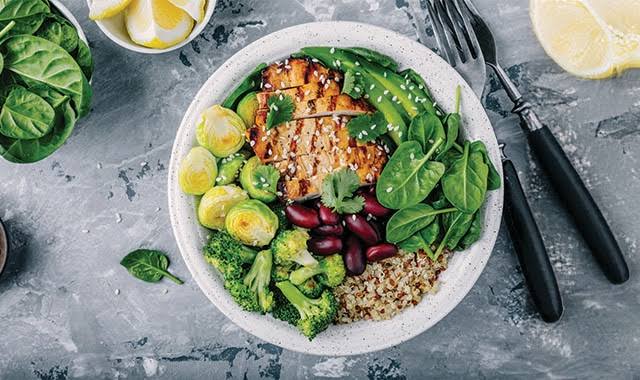
Consider consuming a variety of protein-rich foods to ensure you are getting your daily protein requirements and obtaining the vitamins, minerals and other nutrients necessary for optimal health. Complete proteins are those derived from foods of animal origin like meat, eggs, milk, soy and quinoa. This will mean that they have all the necessary amino acids the body requires and are the best protein sources around.
Plant-based foods are also a source for essential amino acids. However, most plant-based proteins do not contain all of the needed essential amino acids, and so are called incomplete proteins. People who don’t eat animal protein should make sure they get a balanced mixture of amino acids by eating a wide variety of plant proteins throughout the day.
These are the Foods with a High Protein Content:
Lean meat, including chicken, turkey, beef and pork, are a good source of good quality protein, iron and zinc. Limit saturated fats by choosing lean or low fat meat, like lean ground beef, pork loin, or skinless chicken breast.
In addition to being high in protein, fish such as salmon, tuna and mackerel also have omega-3 fatty acids that are good for the heart. Consider eating seafood that’s lower in methylmercury, like salmon, anchovy, and trout.
They are also excellent dairy sources of essential nutrients such as protein, calcium, and other nutrients. Greek yoghurt is a good substitute as it contains lots of protein and nutrients like calcium, vitamins and minerals. Dairy products are a source of saturated fat, so opt for low-fat varieties and try to cut back on cheeses.
Kidney beans, pinto beans, white beans, black beans, lima beans, fava beans, soybeans, chickpeas, black-eyed peas, pigeon peas, split peas, lentils and edamame are all examples of beans, peas and lentils. They are all good sources of protein and fibre, as well as folate, potassium, iron and zinc from plants.
Nuts and seeds come in many varieties, such as almonds, hazelnuts, walnuts, peanuts, chia seeds, pumpkin seeds, sunflower seeds, and peanut butter. Not only are they high in protein but contain healthy fats, vitamins and minerals. Nuts contain a lot of fat and calories; pay attention to amounts.
Eggs are rich in all the necessary amino acids and are a complete protein source. In addition to vitamins and minerals, eggs also contain healthy fats and antioxidants.
A plant-based protein source that is also a complete protein, smart strategies for achieving and maintaining a healthy weight. Cooked quinoa is a good source of protein, with approximately 8 grams per cup.One cup of cooked quinoa contains approximately 8 grams of protein. Quinoa also contains high amounts of minerals like manganese, phosphorus and copper.
Soy products like tofu and tempeh are a source of protein, particularly for those who are vegetarian or vegan. Tofu has seven grams of protein in each 1/4 cup.
What is the Recommended Amount of Protein for a Day?
The protein amount you should get to help keep you from getting sick is called the Recommended Dietary Allowance (RDA) and is 0.8 grams of protein per kilogram of body weight or 0.36 grams per pound of body weight for the average adult. This is equivalent to 60g of protein for a person of 75kg (165lbs) per day.
The desired daily protein consumption is calculated by multiplying your body weight in pounds by 0.36 or use this online calculator.
Please remember that protein requirements are not set for a particular day. For example, your protein needs will fluctuate depending on your level of physical activity, and whether you are pregnant or breastfeeding.
Which is the Better Option for Protein: Animal or Plant?
In order to get enough dietary protein in the most healthful way, nutritional guidelines have shifted away from specific amounts of daily protein, and toward the importance of eating healthier, protein-rich foods.
When deciding on protein foods, it is important to consider the protein “package” as these foods contain fats, carbohydrates, vitamins and minerals, sugar, sodium, additives, and other elements.
Meat is a good source of protein, but some meats also contain excessive amounts of saturated fat and sodium. If you eat meat, it’s important to choose leaner meats and poultry. According to the United States Department of Agriculture (USDA), meats that are high in saturated fat include:
Red meats such as fatty beef, pork and lamb.
- Ground beef (75% to 85% lean)
- Processed meats: Bologna, salami, sausages, hot dogs, bacon.
- Some poultry – For example, duck.
Consuming a high protein diet with a high amount of red meat or processed meat is a worry. Unprocessed red meat and processed red meat have both been reported to be associated with increased risk of heart disease and diabetes. One meta-analysis found that replacing red meat with healthy plant proteins decreased the risk of cardiovascular disease.
Aim for plant-based protein and proteins from diverse sources for optimal health and nutrition. One way to do this is by sticking to the Mediterranean diet, which features healthy protein sources.
The Advantages of a Protein-Rich Diet
Most Americans eat more than the recommended amount of protein, but some might require more.
To build muscle or preserve muscle mass
For people over age 50, a need for 1 gram of protein per kilogram of body weight is enough to help maintain muscle mass which decreases as age increases.
A higher-protein diet may be beneficial for muscle repair and growth for those seeking to build muscle mass. During exercise, the muscle cells are destroyed. Protein from food helps to repair the damage, ultimately strengthening muscles.
To lose weight
High protein diets are debatable in the field of weight loss. One meta-analysis, however, suggested a high protein diet might cause weight loss and help prevent weight regain following weight loss. The authors say more data are needed from studies that follow patients over longer periods (more than a year) to gain a better understanding of this question.
Other benefits
In one study, those who consumed plant protein had reduced risk of developing cognitive decline later in life. For every 5% of calories from plant protein in place of carbohydrates, researchers found that there was a 26% reduction in the risk of developing dementia in study participants.
Too Much Protein?
The idea of an upper limit of protein intake is controversial. Some experts feel that the recommended amounts are too small. Some people think we’re eating too much protein.
The average person (non-body builder, non-elite athlete) does not require high amounts of protein and should not go over 2 grams of protein per kilogram; or 125 grams of protein per day for a 140 lb. person.
One of the big problems with consuming excess protein is the imbalance of a diet. Eating too much protein can cause too few carbohydrates and fats. It’s important to maintain a well-rounded diet that includes a balance of all three macronutrients for overall health.
Also, if you add more protein but don’t add more physical activity, you could be eating too many calories and not burning off enough calories, leading to a potential weight gain.
Additionally, there are some indications that consuming a relatively high protein diet may be a problem for people with existing kidney ailments. Meats are high in protein and could increase risk of kidney stones.