
Mental Health Awareness: Why It Matters More Than Ever

In the hustling and bustling world, mental health awareness has become a must-have subject. Physical exercise, nutrition, and routine medical examinations are all important when it comes to physical health, but mental health is equally important. Mental health is an integral part of our thinking, feeling, and doing in daily life. It affects how we manage stress, how we relate to others, how we make decisions, and how we pursue our personal and professional objectives.
Despite knowing how to access support and recognizing the need, many people still experience depression silently, due to a lack of knowledge or stigma. Raising mental health awareness can help promote discussions, decrease stigma, and guide individuals to seek out help without embarrassment or shame.
Promoting mental health begins with understanding. A healthy community, a healthy family, a healthy individual begins with understanding mental health.
What Is Mental Health?
Mental health is a state of emotional, psychological, and social well-being. It influences the way people deal with life’s problems, get along with others, and react to feelings. Being happy does not necessarily mean having good mental health. Rather, it is the capacity to deal with the ups and downs of life with balance.
Everyone feels depressed, sad, anxious, or disappointed at some stage of their lives. All these feelings are normal human feelings. These feelings can feel overwhelming, last for an extended period, or become disruptive to your daily functioning; however, this can be a sign of a mental health disorder in need of professional help.
Mental health is a continuum, and all individuals can benefit from practices that nurture their emotional health, even if they do not have a diagnosis.
Why Mental Health Awareness Is Important
The more people are aware of mental health, the less they will have the misconception, and the more they will be able to be compassionate. There are many people who don’t bring up the topic of their emotions because they think that people will judge or not understand them. Awareness campaigns raise awareness about common mental health conditions and encourage people to seek help, not look down upon themselves.
Awareness also helps to encourage early intervention. Early identification of symptoms can enable people to get treatment before symptoms get worse and help them recover and avoid complications.
Also, mental health awareness contributes to the creation of healthier workplaces, schools, and families. When individuals are aware of the need to take care of their emotional health, this will make it easier for them to establish a culture of respect, appreciation, and support.
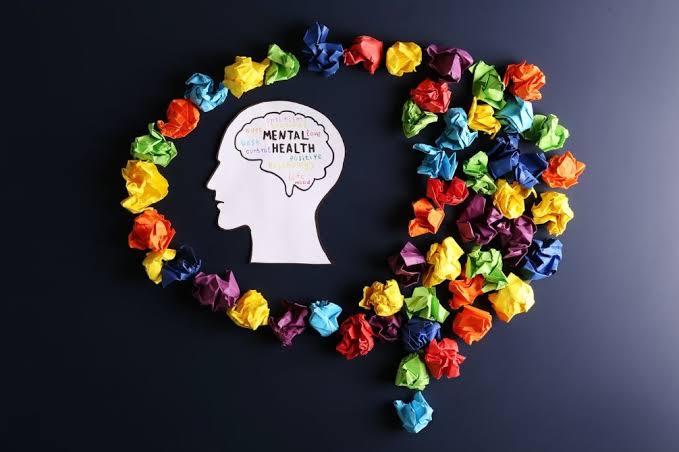
Common Mental Health Challenges
Mental illnesses are an affliction of millions of people across the world, across all ages, genders, backgrounds, and all. The following are some of the most prevalent problems:
Anxiety Disorders
Anxiety is an excessive fear, worry, or nervousness that can disrupt daily life. While occasional anxiety is normal, chronic anxiety may require professional treatment.
Depression
Don’t confuse depression with just being sad. It may lead to chronic hopelessness, loss of interest in activities, exhaustion, poor concentration, and alterations in appetite and sleep.
Stress
The stress reaction is a normal response to stressful situations; however, chronic stress has the potential to cause harm to mental and physical well-being. Effective stress management is key to overall health.
Burnout
Chronic work or school stress can lead to burnout. It’s defined by emotional fatigue, less motivation, and a sense of detachment from duties.
Post-Traumatic Stress Disorder (PTSD)
PTSD can occur from having been exposed to or witnessing a traumatic event. Symptoms may include flashbacks, nightmares, feeling upset, and avoiding reminders of the trauma.
These conditions can be explained away and hopefully will help to prevent stigma or shame in individuals who need professional help.
Factors That Affect Mental Health
Numerous factors can affect mental health, such as:
- Genetics and family history.
- Physical health conditions
- Childhood experiences
- Financial stress
- Work-related pressure
- Relationship challenges
- Social isolation
- Major life changes
- Substance misuse
- Failure to get good sleep and a poor lifestyle
There are often several factors involved in mental health issues, and treatment and support need to be tailored to the individual.
Recognizing the Signs of Mental Health Struggles
Knowing the red flags can make all the difference. Some signs to look for are:
- Thoughts of sadness or worry that do not go away
- Extreme mood swings
- Difficulty concentrating
- Isolation from family and friends
- Disinterest in hobbies
- Changes in eating or sleeping habits
- Constant fatigue
- Irritability or anger
- Feeling overwhelmed by daily activities
- Ideation or plans of self-harm or suicide
If these symptoms persist for several weeks or become disruptive in a person’s life, then it is worth consulting a specialist mental health care provider.
How to Support Good Mental Health
Self-care and healthy living are essential for good mental health. There are some strategies that can help keep everyone healthy emotionally, but everyone has different needs.
Prioritize Physical Health
Good mental health is very much influenced by regular exercise, balanced nutrition, and proper sleep. Endorphins naturally help to alleviate stress and boost mood with exercise.
Practice Stress Management
Cultivating a mindfulness and meditation practice, deep breathing, yoga, and journaling can empower individuals to better manage their stress and become emotionally resilient.
Build Strong Relationships
Emotional support during challenging times is provided through supportive relationships. Socializing with friends, family, and community groups can help diminish loneliness.
Set Healthy Boundaries
Saying no, handling loads, and ensuring personal time are protected prevent emotional exhaustion and burnout.
Limit Social Media Use
Social media can be a place of connection, but too much of it can lead to anxiety, poor self-esteem, and comparisons. Breaks from digital can help to refresh the mind.
Seek Professional Help
The therapist, psychologist, counselor, and psychiatrist have been trained to assist in the management of mental health issues. Treatment is more likely to be effective if started early.
Breaking the Stigma Around Mental Health
Stigma is one of the largest hurdles to treatment. Others feel they will be considered weak and unable if they acknowledge that they are experiencing emotional difficulties. This stigma can cause people to not seek treatment until their symptoms grow more intense.
The first step to breaking the stigma is through education and open discussions. There are a variety of roles that can be important to understanding and acceptance; these include the school, workplace, the health care system, and community organizations.
Small things can have a great impact – listening without judging, speaking in a respectful manner, and offering to help someone find professional help when they are struggling.
The more that society talks about mental health, the more people can get mental health care.

The Role of Employers and Educational Institutions
There is a great responsibility on the part of the organizations to help support mental wellness.
Employers can help create healthy workplaces by promoting work-life balance, implementing employee assistance programs, allowing flexible work options (where applicable), and providing frequent breaks. Fostering a workplace environment where workers are at ease talking about mental health issues can increase productivity, job satisfaction, and retention rates.
Likewise, schools and universities can help students by offering counseling, mental health classes, peer support classes, and stress management materials. Emotional resilience is a skill that can be taught from a young age and helps young people to build healthy coping strategies that will help them throughout their lives.
When to Seek Immediate Help
Many mental health issues can be addressed with continuous support, but some need immediate attention. If someone mentions ideas of suicide, self-harm, or harming others, prompt intervention and/or contact with local crisis or emergency services is essential.
These signs should not be ignored, and friends and family members should be supportive and prompt to reach out to emergency services or qualified mental health support as soon as possible.
Conclusion
Mental health awareness is not just a mere awareness of mental illness; it’s about establishing a culture where emotional well-being is as important as physical well-being. Education, awareness and preventing stigma can help people feel empowered to reach out and live a healthy, more fulfilled life.
Everyone has a role to play in promoting mental wellness. From making the effort to check in with a friend, taking time for self-care, supporting better mental health care resources, or simply being present and listening without judgment, it can make a difference in the long term.
The dialogue about mental health is expanding, and society is progressing towards a time when reaching out for assistance is accepted as a healthy and brave act. Mental health investment is mental health investment in healthier families, stronger communities, and a better quality of life for all.