
Functional Fitness for Everyday Strength and Mobility
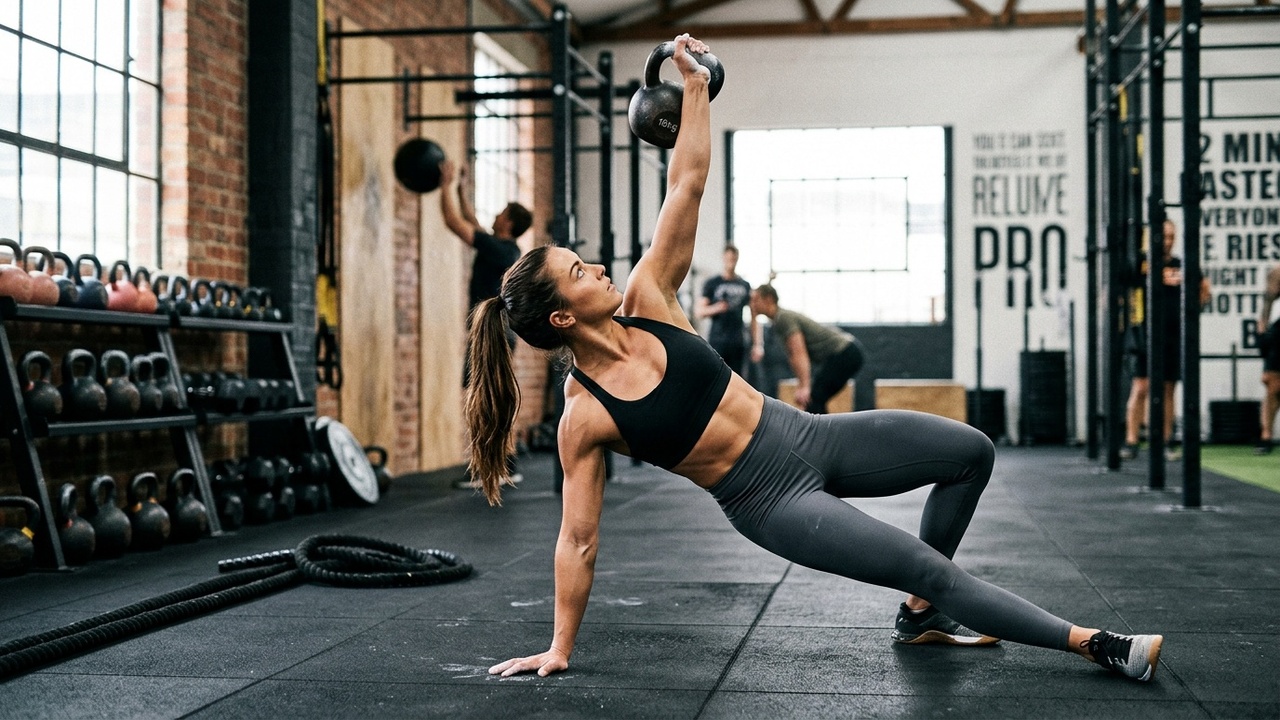
The focus of functional fitness is on the movements that are similar to the movements people use in everyday life. Strength, coordination, mobility, and stability are all used in different combinations to perform various movements such as squatting to pick something up, carrying groceries, reaching for an object on a shelf, getting up from a chair, and maintaining balance. There are a number of components of physical fitness itself, such as muscular fitness, flexibility, balance, and cardiorespiratory fitness.
What Is Functional Fitness?
Functional fitness is a way of exercising that enhances physical functions, which can be applied outside of the gym. Many functional exercises engage more than one muscle or joint at a time, in contrast to isolating a single muscle.
For instance, a squat not only works the leg muscles but also works other muscles. It develops the ability to lower and raise your body, a movement used when sitting down or standing up. Likewise, weight carrying can help to train the body to lift shopping baskets, suitcases, or items in the home.
The purpose does not necessarily reflect a replication of all activities that happen each day. Rather, functional training builds qualities like strength, balance, coordination, stability, mobility, and endurance to improve physical functioning.
Why Everyday Strength Matters
It may make everyday tasks easier to do if you are strong. Well-stronger legs are useful for climbing up and down stairs and getting up from a chair, and well-stronger back, shoulder, and arm muscles are useful to lift and carry.
There are also benefits associated with muscle strengthening activities that include enhanced bone strength and muscular fitness. The current physical activity guidelines call for muscle strengthening exercises using the major muscle groups at least 2 days a week.
Resistance can sometimes be the activity itself, as in everyday activities. Muscles can be challenged by carrying groceries, lifting, climbing stairs, and more.
Squats will help you build strength
Squats are one of the most basic functional movements to incorporate into a workout. They work the muscles of the hip and leg area, in addition to involving control of the torso.
If you are a beginner, you should begin with a chair squat. The feet should be comfortably about hip distance apart, and the person slowly descends toward the chair, in front of a sturdy chair. Rest briefly, without falling, then stand up.
Once you start to get stronger, try bodyweight squats or eventually resistance.
The idea is to move in a controlled manner and not to do as many reps as you can.
Develop hinge and lifting movements
This is a typical daily motion that occurs when one picks up an object from the ground. The hip-hinge pattern is a good exercise to get more comfortable with this style of movement.
The basic hip hinge is a motion that takes place at the hips with the torso controlled and then restored to standing. This can be done without using equipment prior to using a lightweight.
Deadlift variations, performed with care, can build strength in the hips and legs and also teach you how to employ the movement of your total body.
Use the proper technique, do not hurry, and pick up loads that you can control while lifting in everyday situations.
Improve Mobility
Strength is just a piece of functional movement. Mobility refers to how easily you can move around the range of motion a joint has.
Simple mobility moves can focus on areas that might get tight, such as the upper back, shoulders, hips, and ankles. Bodyweight exercises, gentle joint circles, dynamic stretching, yoga, and the like can be done in a routine.
Flexibility exercises can help make movement around the joints easier and more flexible and can be included in a balanced physical activity program.
It is helpful to take a short mobility break before or after sitting for long periods of time.
Train Your Balance
Another factor of functional fitness is balance. Balance provides stability to help you move without falling when you’re walking, changing direction, reaching, or moving over uneven ground.
Simple exercises can be standing on one foot with a stable surface nearby, slow walking with heel-to-toe movements, or walking slowly and with the challenge of maintaining balance.
Balance training is of special significance when aged. According to the information in Healthy People 2030, exercise programs that focus on balance and strength can enhance the physical fitness of older adults.
Always practice balance exercises on a surface that will allow you to hold onto it if needed.
Strengthen Your Core
Your core helps to stabilize the body in a lot of movements. The idea of functional core training doesn’t have to translate into doing hundreds of crunches.
Planks, bird dogs, dead bugs, and controlled carries are some exercises that can test the muscles that need stability.
The goal is to create a solid, stable core that supports the hips, shoulders, and limbs in movement.
Remember Carrying Exercises
Carrying is one of the most functional (and practical) movements due to its similarity with real-life tasks.
A simple farmer’s carry is walking with an appropriate load in both hands. Begin with a small load and concentrate on the following: Tall posture, controlled steps, and stable shoulders.
Carrying exercises will engage the grip, arms, shoulders, core,hips, and legs all at the same time. They can also show you how to maintain posture as you load with a load.
Complete a Balanced Functional Workout
You don’t have to do a lot of complicated exercises for a functional workout. There are some fundamental movement patterns that can be incorporated into a routine.
Simple exercises could include squats, hips, pushes, pulls, carries, core and balance. Do mobility workouts before or after core workouts, depending on your needs.
Begin with moderate resistance and concentrate on form. Gradually add resistance, reps, ROM, or complexity of the exercise as your body gets used to it.
Changes should be slow, not sudden. To get stronger and better while keeping good movement quality.
This is functional fitness outside the gym
The benefits of functional fitness are that it can be done pretty much anywhere. A gym membership or a huge amount of equipment is not a requirement.
A chair, resistance band, light dumbbells, or even the body itself can give you enough variety for an easy workout. Other activities such as walking, climbing stairs and gardening, dancing, and other activities that involve movement can also help with one’s total fitness.
Frequent physical activity is linked to improved physical function and quality of life, and counsel is offered to adults to be more physically active and reduce sedentary time.
Conclusion
Functional fitness is focusing on preparing your body for real life! Strength, mobility, balance, coordination, and endurance will be achieved, giving you physical skills that last beyond the gym.
There are no fancy exercises to start with. A practical workout could be based on squats, hinges, carries, pushes, pulls, core work, mobility, and balance exercises.
The best functional fitness program is the one you can do and do regularly and at your level of fitness. Begin at a level that is comfortable, build correct body mechanics, and take it slow. If you have a chronic condition, injury, or physical disability, consult an appropriate healthcare or exercise professional to determine if a new program is suitable for you.