How Laser Treatments Can Improve Skin Tone and Texture
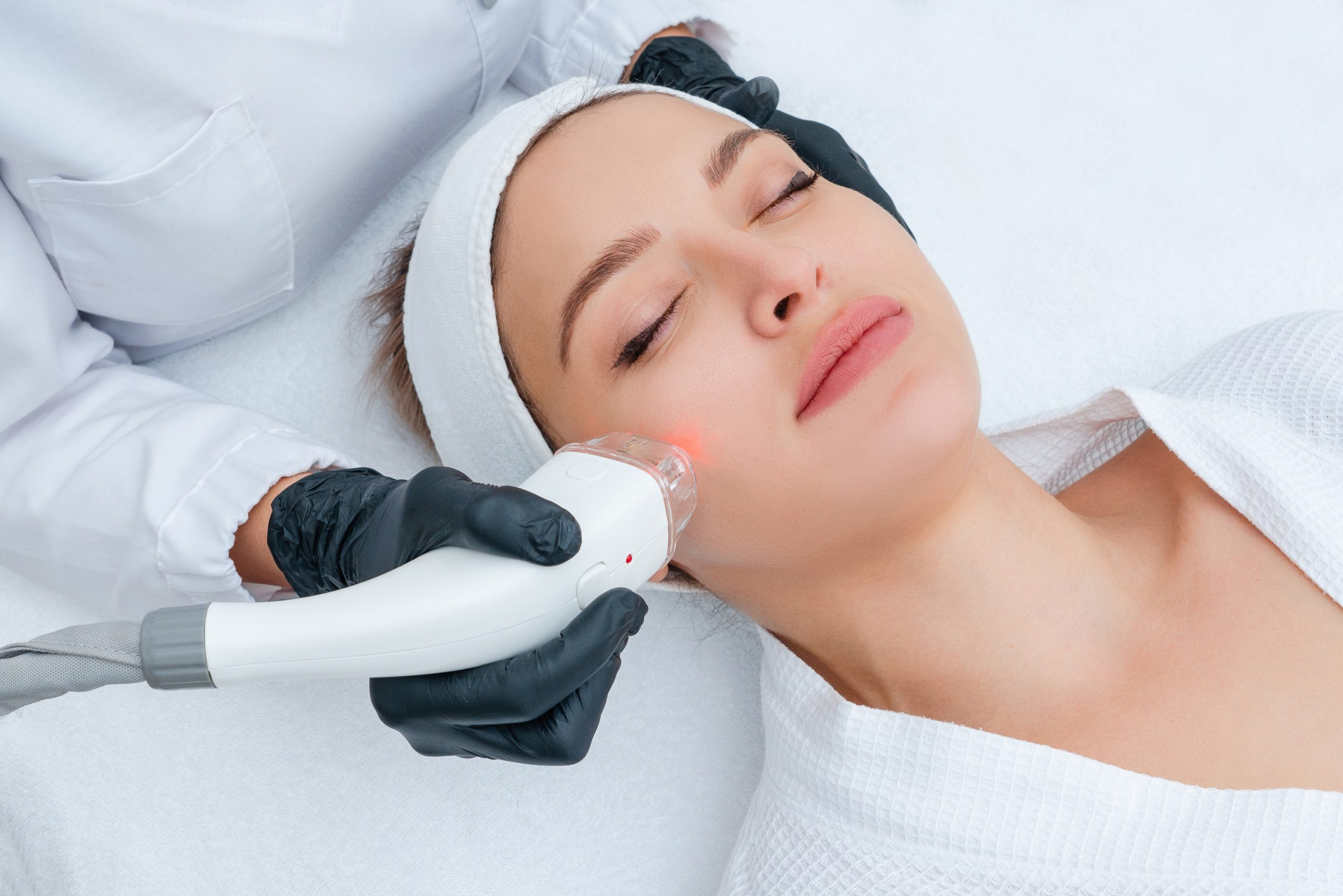
Laser technology has revolutionized the face of modern dermatology, providing solutions to problems with the skin that were considered to be irreparable or difficult to address. From sun damage that is inexplicably severe or age spots, through deep acne-related scars, as well as irregular texture. Lasers deliver the precision that conventional creams can’t beat. The method of treatment involves making use of lasers that emit concentrated beams that target certain chromophores inside the skin, for example, hemoglobin and melanin, as well as to create micro-thermal zones that stimulate your body’s healing process.
In the process of repairing the skin by repairing itself, it creates new collagen and elastin, the foundations of a youthful and smooth appearance. If you’re dealing with the redness caused by rosacea or the roughness caused by ageing, there is likely to be a treatment with lasers that is specifically tailored to your biological needs.
Knowing the various types of lasers, ablative and non-ablative, can be the very first step towards determining which method will produce the most effective results for your needs. When you opt for the most advanced light-based treatments, you invest in an approach that is long-term and doesn’t simply cover up imperfections, but transforms your complexion from the inside out to give you an enduring appearance.
Before deciding to undergo any procedure, it’s crucial to consult with a professional that use medical grade equipment to ensure security and effectiveness for your specific skin type. Patients looking to transform their appearance are pleased to discover that Dermani MEDSPA(r) Dermani MEDSPA(r) location allows them to receive a bespoke treatment plan focusing on their individual goals for aesthetics.
If you choose a trusted clinic, you can be sure that the settings for lasers are precisely adjusted according to your skin’s tolerance, reducing the risk and maximizing visible improvement in the overall tone and texture.
The Difference Between Ablative and Non-Ablative Lasers
Ablative lasers are stronger; they remove the skin’s outer layer to treat wrinkles that are deep and significant scarring. Non-ablative lasers, on the contrary, penetrate the skin without damaging its surface, promoting collagen production with less time to recover. The choice you make between these two will be based on the nature of your skin concerns and the length of time you have available.
Targeting Hyperpigmentation and Sun Damage
A well-known use of lasers is the elimination of “brown spots” caused by exposure to sunlight. The high-intensity light fragments melanin-producing clusters that cause these spots, allowing your body to process them naturally and remove the spots. Following a couple of sessions, the skin appears smoother and more radiant, efficiently “erasing” years of sun-related damage.
Smoothing Out Acne Scars and Pitted Texture
For those who have had to deal with acne for years, acne scars could be a major cause of anxiety. Fractional lasers can create thousands of small treatment zones inside the skin, while leaving the surrounding tissue unharmed. The “fractional” approach speeds up healing and makes it easier for skin cells to fill in the pitted regions with healthy tissue.
Reducing Redness and Visible Blood Vessels
Vascular lasers are made to focus on the red pigment of blood vessels without harming the surrounding skin. This makes them extremely effective in treating rosacea and damaged capillaries around the nose, as well as some types of birthmarks. In reducing small vessels in the face, lasers bring back the appearance of a smooth, even tone to the face.
The Role of Collagen Induction in Firming Skin
When the laser’s heat enters through the dermis, it triggers immediate contraction of collagen fibers and signals the body to create more. This two-way action causes an evident “tightening” effect over several months. It’s an excellent non-surgical solution for people beginning to notice the first signs of laxity around their jawline and around the eyes.
Minimizing the Appearance of Large Pores
Although you can’t technically “shrink” a pore, you can make it appear smaller by enhancing the elasticity of your skin. If the skin surrounding the pore is strong and healthy, the pore stays in a tighter, less visible state. Laser resurfacing removes particles and helps strengthen the skin’s structure, resulting in a smoother, “airbrushed” finish.
What to Expect During the Healing Process
Based on the intensity and intensity of laser treatment, one could feel redness that is similar to a mild sunburn for a couple of days. It is imperative to adhere to all instructions for post-treatment, including the application of a heavy dose of sunscreen and soft moisturizing products. Avoiding exposure to the sun in the healing stage is the primary method to prevent post-inflammatory hyperpigmentation.
The combination of Lasers together with Additional Med Spa Services
For complete rejuvenation of the face, lasers are typically combined with other treatments, such as microneedling or chemical peels. Multi-modal treatment allows the practitioner to target various layers of skin simultaneously. In your appointment, inquire about the possibility of a “stacked” treatment plan that can speed up your progress towards flawless skin texture.
Frequently Asked Questions
1. Is laser skin resurfacing painful?
The majority of patients describe the feeling as a series of “snaps” against the skin. To make sure you are comfortable, doctors typically apply a topical numbing cream for thirty to forty-five minutes prior to the procedure beginning. Modern laser systems come with integrated cooling tips that protect the skin and lessen heat sensation.
2. How many sessions of lasers will I require?
While some individuals notice some improvement in their skin after just one treatment, the majority of corrective goals require a sequence of three to five treatments. They are usually spaced by 4 to 6 weeks so that the natural renewal process of your skin can be completed. The specialist you consult with will recommend an exact timeframe depending on your skin’s current situation.
3Are lasersre safe to use on darker skin tones?
They are safe, but they should be used with cautious care. Certain wavelengths of lasers are safer for melanin-rich skin than others. Make sure your doctor has the experience and appropriate technologies (like the NdYAG lasers) for darker Fitzpatrick skin types to reduce the possibility of scarring or a change in pigment.
4. How long will the results from laser treatment last?
The effects can last for years and even longer in the case of scar revision. But, since your skin is aging and continues to endure environmental stresses, periodic maintenance treatments are usually suggested to keep your skin looking as good as it can and to safeguard your investment.
5. Can I receive an appointment with a laser during the summer?
It’s possible, however, it is not suggested. Because lasers can make your skin extremely sensitive to sunlight and UV rays, any exposure to the sun immediately following a treatment can result in damage. If you decide to undergo treatment during the summer months, then you should be extremely careful in wearing sunblock with high SPF throughout the day.
Conclusion
Laser treatments are a potent and scientifically validated method to alter the appearance and appearance of the skin. Utilizing energy from light you can resolve issues that have afflicted you for years with just several short sessions. Although the technology is highly advanced, the most important factor for a successful treatment is the knowledge of the individual using the device. Select a professional who is aware of the intricacies of physics in lasers and puts your skin’s health firs, beforet everything other things. By committing to the procedure and correct aftercare, you’ll attain a level of smoothness and clarity that will boost your confidence.